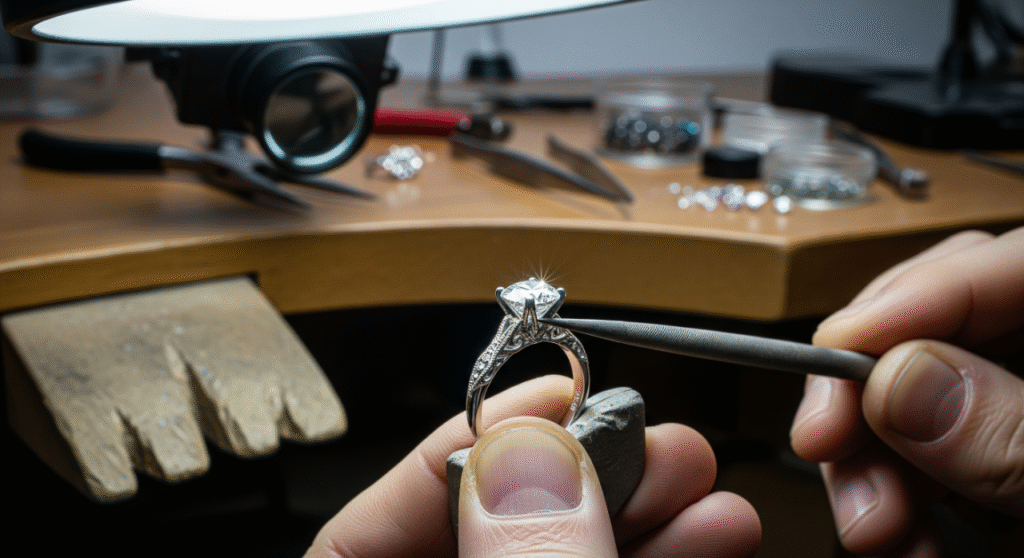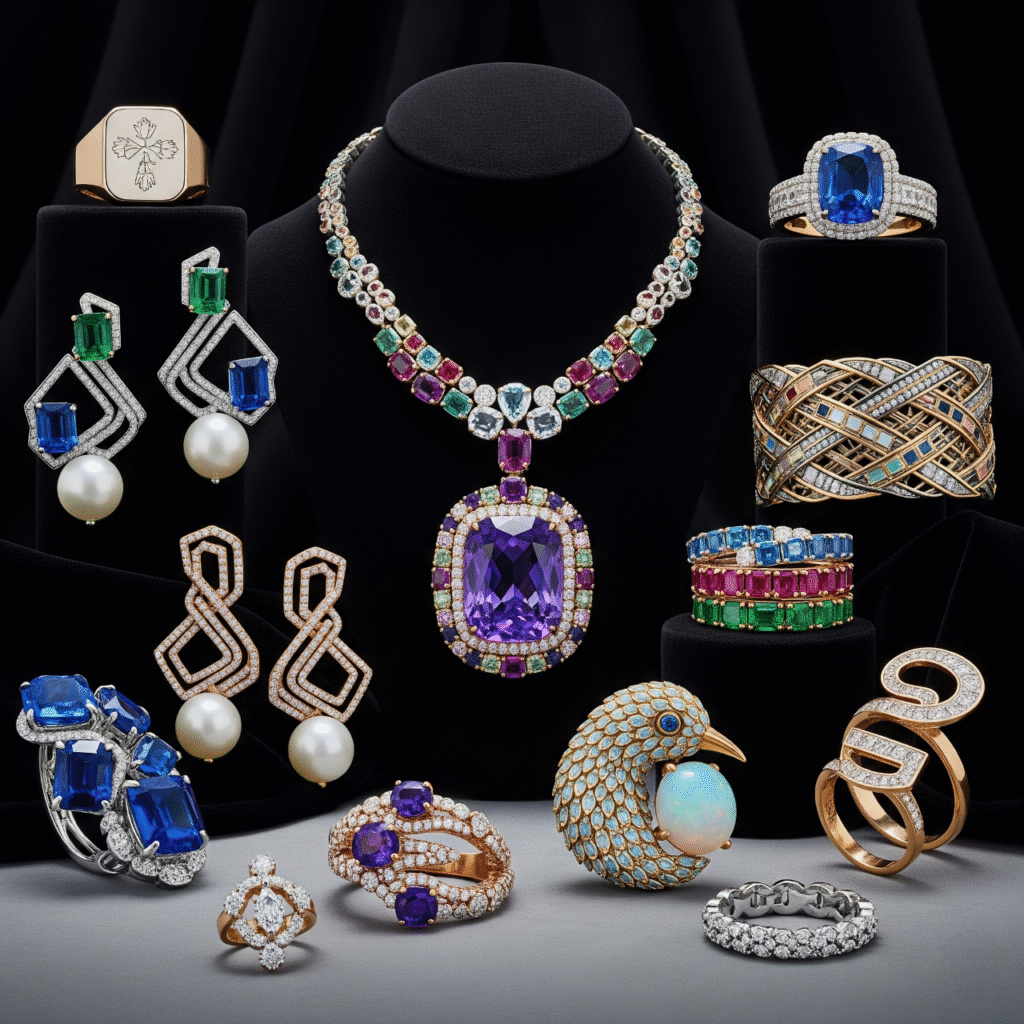
The rapid expansion of industrial-scale production of laboratory-grown diamonds is pressuring the traditional diamond sector to reconsider decades of branding built on rarity, flawlessness and enduring value. Market observers note that stones produced in reactors now match natural diamonds in chemical composition and top-tier grades while selling for a fraction of the price, eroding a core selling point of mined gems.
Perfection No Longer Unique
For more than half a century, diamond value has been communicated through the 4Cs—carat, color, clarity and cut. The system enabled retailers and consumers worldwide to compare stones easily and drove purchasing decisions with little reference to origin. Over time, a concise description such as “1 ct D/IF 3Ex” became sufficient to conclude transactions at every level of the supply chain.
That focus on measurable perfection accelerated commoditization. Today, laboratory processes deliver unlimited quantities of stones that meet or exceed those same parameters, undermining the once-exclusive narrative of perfection and scarcity. Attempts by the mined-diamond industry to highlight differences—chiefly geological origin and limited supply—have not stopped consumers from shifting toward the lower-priced alternative.
Transparency Gap
Critics argue that the natural diamond trade has been slow to address its own weaknesses, particularly the limited availability of verified provenance data. In many consumer categories, such as food, detailed information about source and environmental impact is independently certified and displayed on packaging. In contrast, buyers of natural diamonds often receive little more than a grading report, with origin either omitted or based on self-declaration.
Industry initiatives following external pressure, including the Kimberley Process established after the 2006 film “Blood Diamond,” aimed to curb conflict stones but stopped short of providing comprehensive traceability. As a result, calls for greater supply-chain transparency remain prominent while lab-grown competitors tout controlled production environments and predictable sourcing.
Laboratory Perspective
Gemological laboratories, which serve both sectors, emphasize that their primary task is accurate identification, disclosure of treatments and, where possible, determination of origin. From a materials-science viewpoint, both mined and factory-grown stones are carbon crystals with identical properties. One category is geologically rare; the other has virtually limitless capacity. Laboratories therefore apply the same grading criteria to each while clearly separating them on reports.
Lessons from Colored Gems
The colored-gemstone market offers a contrasting case study. Synthetic rubies, sapphires and emeralds have been available for more than a century yet remain a niche product. Analysts attribute this resilience to a story line that stresses provenance—the celebrated green of Colombian emeralds, the fluorescent glow of Burmese rubies or the velvety blue of Kashmir sapphires. Collectors pay premiums for stones tied to specific regions, even when those gems contain inclusions that would be considered flaws in colorless diamonds.

Imagem: financial planning 36
Inclusions in colored stones are often viewed as hallmarks of natural growth, adding character and providing clues to geographic origin. The diamond industry, by comparison, has historically downplayed imperfections. Observers now suggest that embracing inclusions as unique features could give natural diamonds a point of differentiation that laboratory-grown counterparts, designed for uniform perfection, cannot replicate.
Marketing Challenges Ahead
Efforts to regulate or stigmatize laboratory-grown diamonds have so far done little to reverse momentum. The new product’s appeal—identical material, consistent high quality and lower cost—remains persuasive to cost-conscious shoppers. Some industry voices argue that mined diamonds need a refreshed narrative that emphasizes unrepeatable geological history and verifiable origin rather than solely the absence of defects.
Implementing full supply-chain transparency, adopting third-party environmental metrics and highlighting the individuality imparted by natural inclusions are among the strategies being discussed. These approaches mirror practices already common in sectors such as specialty foods, where consumers track farm location, energy use and carbon footprint before purchasing.
Outlook
As production efficiencies continue to improve, laboratory-grown diamonds are expected to maintain downward pressure on prices and market share. Whether the natural diamond segment can preserve its premium status may depend on how convincingly it communicates attributes that synthetic competitors cannot duplicate: finite geological origin, traceable provenance and the subtle imperfections that make each stone distinct.
Read more news in the fashion world in our section: Style Trends
Crédito da imagem: Gübelin Gem Lab

Cassia Freitas holds a degree in Business Administration and a specialization in Fashion Design. She has been working as a jewelry designer since 2012 and is passionate about everything related to style, beauty, and authenticity. As the creator of the blog Sublime Jewels, she shares tips, inspirations, and practical suggestions for those who love fashion, accessories, and want to express their personality with elegance in everyday life.