How to Use Retinol: Unlock Youthful Skin with Expert Tips and Tricks!

Why Retinol is the Star of Skincare?

Have you ever wondered what makes retinol such a revered ingredient in the world of skincare? With countless products boasting its inclusion, retinol has carved out a niche as a powerhouse for skin rejuvenation. Originally derived from vitamin A, retinol promises a range of skin benefits that include reducing wrinkles, improving texture, and even fighting acne. Understanding its applications and benefits can help you make informed decisions about incorporating retinol into your skincare regimen.

The excitement surrounding retinol arises from its ability to enhance skin cell turnover. This process sheds the older surface skin cells, revealing fresher, more youthful skin beneath. However, using retinol incorrectly or without proper guidance might lead to skin irritation or other adverse effects. In this article, we will delve into the nuances of using retinol, ensuring that you can take full advantage of its benefits while minimizing potential pitfalls.

The Science Behind Retinol’s Effectiveness

To demystify retinol’s acclaimed effectiveness, it’s essential to explore the science underlying its actions. Retinol penetrates the skin and goes through a conversion process to become retinoic acid, the active form that works deep within the skin. This conversion is critical because retinoic acid influences the expression of genes responsible for cellular metabolism, renewal, and repair.

ParameterAction of RetinolOutcome
Cell TurnoverIncreases shedding of old cellsSmoother skin texture
Collagen ProductionBoosts synthesisReduces wrinkle depth
PigmentationInhibits melanin productionLightens dark spots
AcneReduces clogged poresFewer breakouts

This transformative process enhances skin elasticity and reduces the appearance of fine lines and wrinkles. Moreover, retinol’s ability to regulate oil production and exfoliate pores makes it a valuable ally in the fight against acne. It also aids in the fading of dark spots and pigmentation, leading to a more even skin tone.
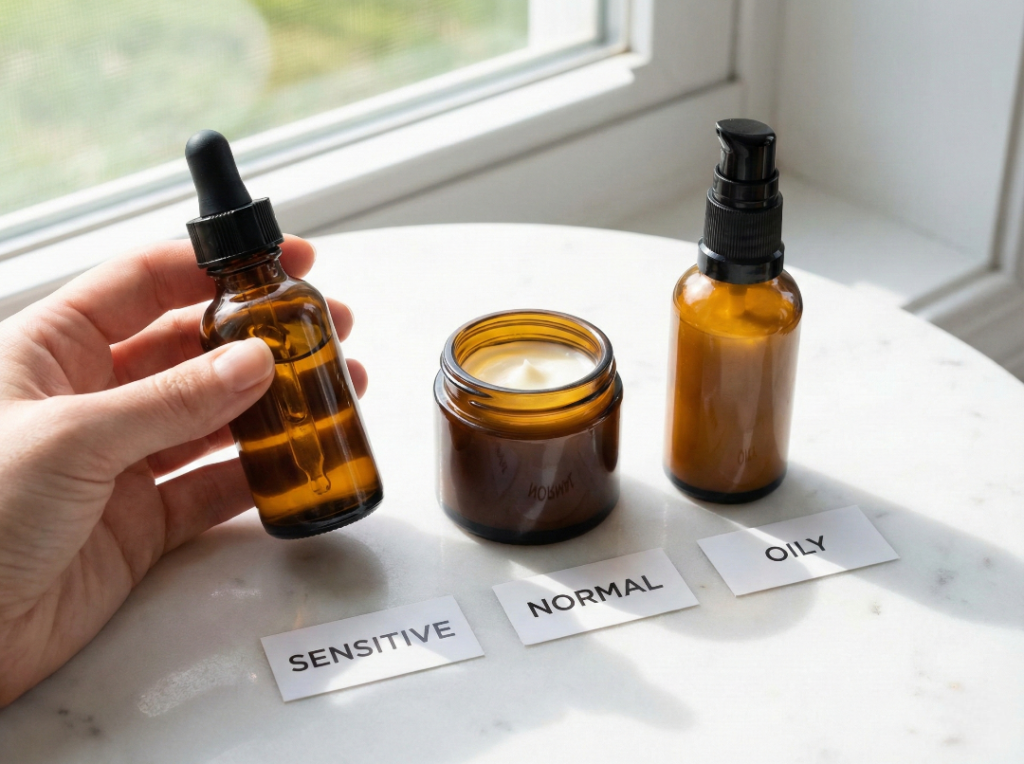
Choosing the Right Retinol Product for Your Skin Type

When it comes to retinol, not all products are made equal, and understanding the nuances between them is crucial. Retinol comes in different formulations and concentrations, catering to various skin types and needs. Selecting the right product ensures that you harness the maximum benefits without causing unnecessary skin irritation.

Choosing the Right Retinol Product for Your Skin Type

It’s important to start with a lower concentration if you’re new to retinol. This allows your skin to build tolerance gradually. Also, consider whether your skin is oily, dry, or combination. Individuals with sensitive or extremely dry skin might benefit from retinol products that include moisturizing ingredients to counteract potential dryness.

“Retinol is the Superman of skincare ingredients, able to tackle a myriad of skin concerns in a single bound.”

This quote beautifully captures the multifaceted capabilities of retinol. As a potent ingredient, it’s equipped to handle an array of skin problems, making it almost indispensable for those devoted to maintaining vibrant skin.

Integrating Retinol into Your Skincare Routine

Introducing retinol into your skincare regimen should be a gradual and calculated process. Start with applying retinol-based products two to three times a week. This frequency allows your skin to acclimate, reducing the risk of irritation. As your tolerance builds, you can increase use to nightly applications.

1- Apply retinol in the evening, as sunlight can degrade its potency.
2- Use a pea-sized amount for the entire face, as over-application does not equate to better results.
3- Follow up with a moisturizer to combat any potential dryness.
4- Always apply sunscreen during the day, as retinol can make your skin more sensitive to the sun.

This careful and methodical integration ensures that you reap the benefits without unwanted side effects. The gradual accumulation of its effects can lead to visibly smoother and more youthful skin over time.

Potential Side Effects and Mitigating Them

While retinol can perform wonders for the skin, it’s not without side effects. Common reactions include dryness, peeling, and redness. These are often signs of your skin adjusting to the active ingredient. In most cases, these side effects are temporary and can be minimized with proper skincare techniques.

Ensuring that you moisturize adequately and avoid combining retinol with other potent actives like AHAs or BHAs can mitigate irritation. Establishing a routine that accommodates your skin’s adaptability is critical. This patience and attention during the adjustment period can lead to substantial and long-lasting improvements in your skin’s health and appearance.


FAQ – Common Queries about Retinol

How soon can I see results with retinol?

Typically, it takes about 12 weeks to notice significant changes, although initial improvements can be seen earlier.

Can all skin types use retinol?

Yes, but sensitive skin types should begin cautiously, opting for lower concentrations.

Is it safe to use retinol during pregnancy?

It’s recommended to avoid retinol during pregnancy and opt for alternatives like bakuchiol.

What age should I start using retinol?

Starting in your mid-to-late twenties can be beneficial for preventive care, but it’s suitable for any age focusing on aging concerns.

Can retinol be used with vitamin C?

Yes, but it’s best to use them at different times—vitamin C in the morning, retinol at night.


Retinol undoubtedly holds a place of prestige in the skincare world, thanks to its transformative benefits that range from improving texture to reducing the signs of aging. As with any powerful skincare ingredient, understanding its properties and how best to integrate it into your routine is crucial. With patience and consistency, retinol can significantly enhance the health and appearance of your skin, making it a worthwhile addition to your skincare arsenal.

Read more news in the fashion world in our section: Beauty      

Section Beauty – Read More

You Are Here: