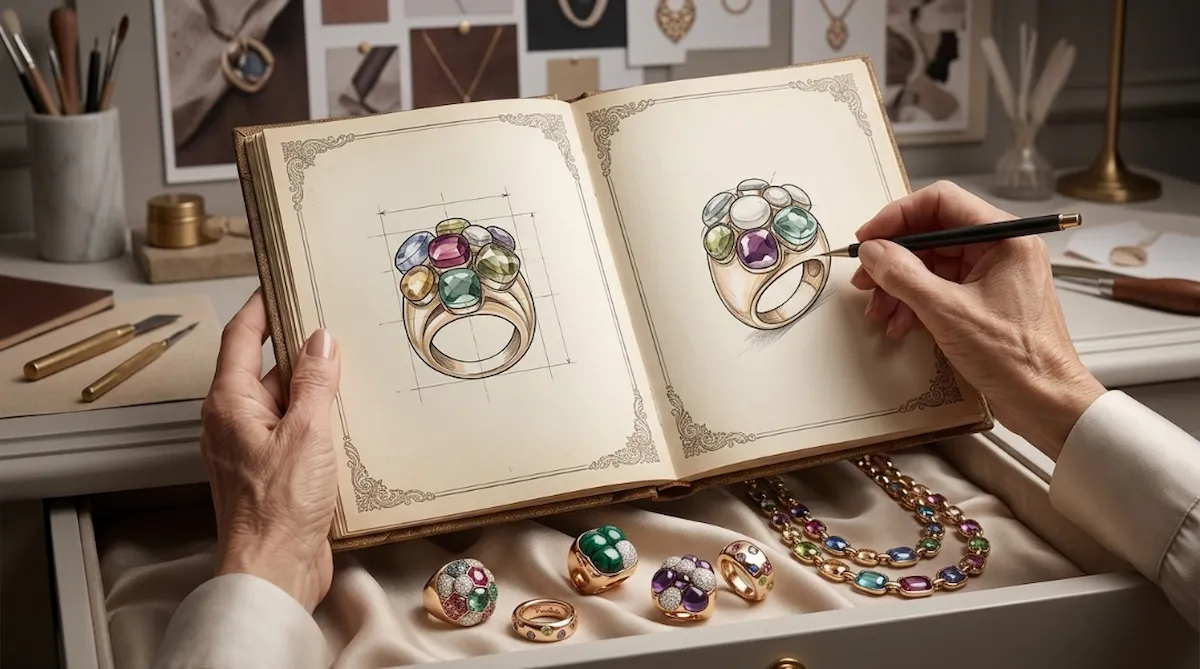
Gems that make it to display cases have often undergone procedures to enhance their color, brilliance, and durability. These treatments, standardized by the American Gem Trade Association (AGTA), help make rough stones more appealing and durable, in addition to ensuring a consistent supply for the jewelry market.
What Are Gemstone Treatments and Why Are They Applied?
A treatment is any intervention—excluding cutting and polishing—intended to improve a gemstone’s appearance, durability, or availability. Some of the most common reasons include:
- Aesthetic Enhancement: Processes like heating, dyeing, and coating can intensify or even out color, boosting a gem’s visual appeal.
- Increased Durability: Techniques like fracture filling and impregnation strengthen the stone’s structure, reducing the risk of chips and scratches.
- Meeting Market Demand: Treatments allow for the creation of shades and effects that are rare in nature, expanding a jeweler’s portfolio.
- Material Salvage: Stones that would otherwise be discarded become commercially viable after gaining color or clarity.
Key AGTA Codes and Their Meanings
The AGTA uses letters to indicate the method applied. Here are some of the most common ones:
- H – Heating: Heat treatment used to alter a gem’s color and/or clarity.
- B – Bleaching: Whitening a gem using light or chemical reagents.
- D – Dyeing: Introducing dyes to create or intensify a gem’s color.
- F – Filling: Filling fractures with a colorless glass or resin.
- I – Impregnation: Impregnating porous gems with plastics to reinforce their structure.
- R – Irradiation: Exposing a stone to radiation, often followed by heat, to change its color.
- L – Lasering: Using a laser and acids to remove inclusions, especially in diamonds.
- ASBL – Assembled: A piece formed from layers of natural and/or synthetic materials.
A complete list of codes is available on the website of the Gemological Institute of America (GIA), an international reference in gemology.