Historical Significance and Myths
The historical significance of amethyst is profound, spanning various cultures and eras. In Ancient Egypt, amethyst was used in jewelry and amulets, believed to offer protection against harm and promote peace. Meanwhile, in Medieval Europe, soldiers wore amethyst amulets as a form of protection in battle, thinking it would heal the mind and body.
One central myth from the Greeks tells of Dionysus, the god of love and wine, who fell in love with a maiden named Amethyst. The story goes that to escape his advances, Amethyst prayed to the goddess Diana, who turned her into a statue of pure crystal. In grief, Dionysus poured wine over the statue, staining it purple and thus creating the stone we know today.
“The amethyst contains and presents within its depths the divine essence.” – An ancient legend on amethyst’s mystical properties.
The Spiritual and Healing Properties of Amethyst
Amethyst’s allure is not limited to its physical beauty; it is also highly prized for its healing and spiritual properties. Spiritually, amethyst is thought to provide emotional stability, enhancing intuition and spiritual growth. It is a stone often associated with the crown chakra, which is believed to connect individuals to higher consciousness.
Many also consider amethyst to have a calming effect on the mind, promoting tranquility and clarity. It is frequently used in meditation practices, as it is said to enhance concentration and bring about a sense of peace. Additionally, healers often recommend amethyst as a natural remedy for anxiety, stress, and insomnia, attributing powers of purification and detoxification to the stone.
Amethyst in Modern Jewelry
In today’s fashion world, the versatility of amethyst makes it a popular choice in jewelry. Its varying shades of purple can complement a variety of skin tones and personal styles, whether it is set in a simple pendant or a pair of elegant earrings. Due to its relative affordability compared to precious stones like sapphires or emeralds, amethyst offers a luxurious look without the price tag.
Jewelry designers frequently utilize amethyst to craft stunning statement pieces. The stone can be cut into various shapes, including oval, round, and pear, providing flexibility in design. This, combined with its vibrant color, makes amethyst a favorite among both designers and wearers who appreciate its rich history and symbolic meanings.
Caring for Your Amethyst Jewelry
To maintain the beauty and longevity of your amethyst jewelry, it is essential to care for it properly. Here are some tips for keeping your amethyst pieces looking their best:
1. Store amethyst jewelry in a cool, dry place away from direct sunlight to prevent color fading.
2. Clean with lukewarm water and mild soap, avoiding harsh cleaners that can damage the stone.
3. Use a soft cloth to dry the stone gently, ensuring it avoids any scratches or damage.
4. When not in use, keep amethyst pieces separate from other jewelry to avoid chips and scratches.
Proper care ensures that your amethyst jewelry remains a cherished piece for years to come, allowing you to enjoy its beauty and significance fully.
The Star Signs and Amethyst


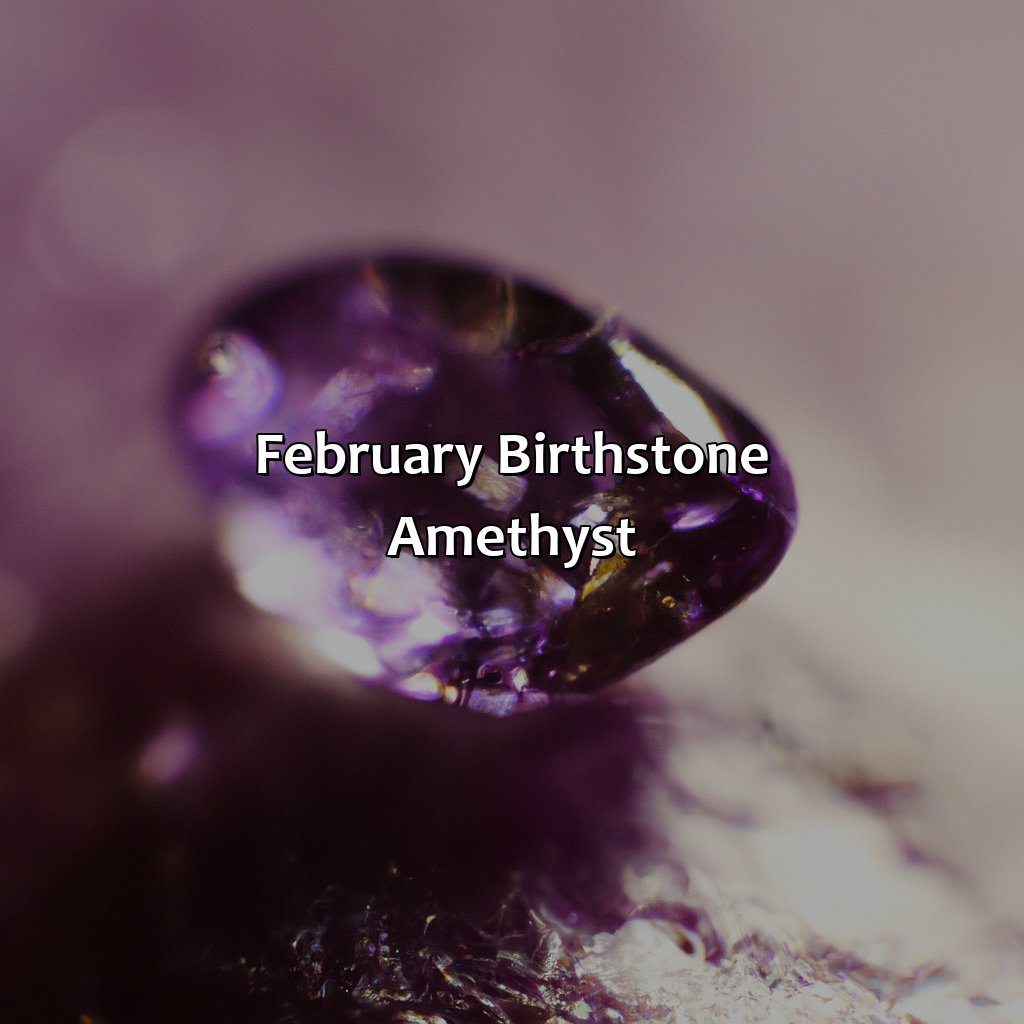
As February’s birthstone, amethyst is particularly significant for those born under the zodiac signs of Aquarius and Pisces. It is believed that Aquarians and Pisceans benefit from the stone’s properties more acutely, aligning with their intuitive and imaginative nature. The stone is said to harmonize well with these signs, enhancing creativity and providing clarity.
People born in February may find that wearing amethyst helps them connect with their inner thoughts, promoting peace and personal growth. This relationship between the signs and the stone underscores the meaningful bond that exists between gemstones and astrology, offering a deeper connection to one’s birth month.
FAQ – Common Questions
What is the symbolism behind the amethyst?
The amethyst symbolizes peace, clarity, and focus. It has been historically associated with preventing intoxication and bringing emotional stability.
How should I clean my amethyst jewelry?
To clean amethyst jewelry, use lukewarm water and mild soap. Avoid ultrasonic cleaners and chemicals that may damage the stone.
Can amethyst get damaged easily?
While amethyst is relatively hard, it can still be scratched or damaged if not handled with care. Avoid impact and store separately from other jewelry.
Is amethyst suitable for everyday wear?
Yes, amethyst is suitable for everyday wear. However, it’s important to care for it properly to prevent damage and maintain its appearance.
Do I have to be born in February to benefit from amethyst?
No, anyone can benefit from amethyst’s properties. Its calming and spiritual attributes can be advantageous to everyone.
Why does amethyst come in different shades of purple?
The varying shades of purple in amethyst are due to differences in iron impurities and trace elements present during its formation.
👉 In conclusion, the amethyst as February’s birthstone represents a stunning fusion of beauty, history, and spirituality. Its rich purple hue has captured human imagination for centuries, symbolizing clarity, tranquility, and spiritual connection. Whether you’re wearing it as part of jewelry or using it for its purported healing properties, amethyst continues to be cherished both for its aesthetic appeal and its deeper, metaphysical qualities. The timeless allure and versatility of amethyst ensure that it remains a precious gem, celebrated across cultures and generations.
Amethyst looks stunning when paired with high-quality metals. To ensure your birthstone jewelry lasts a lifetime, learn the difference between 14k vs. 18k Gold before your next purchase.
Conhecida por sua beleza impressionante e significado histórico, a ametista é apreciada desde os tempos antigos até os dias atuais.